MOTO PATAGONIA Motorcycle Tours & Rentals - Chile & Argentina
  • HOME
  • MOTORCYCLE TOURS
  • MOTORCYCLE RENTALS
  • TOUR DATES
  • ABOUT
  • CONTACT
  • FAQ
  • PATAGONIA LIFE

What Is It Like To Ride A Motorcycle In Patagonia?

Services in Patagonia

7/31/2019

 
While Patagonia grows in popularity for tourist near and far, so expands the services. While the small towns of the Chile and Argentine side of the Andes have enough services for the current local population, they can get overwhelmed during the high traffic summer months. Making gas station lines long, hotel and hostel rooms fill up fast, and dusty overcrowded roads.

The services offered in some of the smaller towns has grown in recent years. Adding more restaurants, gas stations have expended and there are more rooms to stay in now. This is a good thing because during the busy summer months the tourist flock to these locations and they all need food, gas and shelter. However It is still true that when planning a trip to Patagonia in January or February you had better make reservations early and plan your stops for each night, book your ferry tickets, and leave room in your schedule for the unexpected. Whether that is an extra day or an afternoon free the unknown and unexpected must to be accounted for.

​We get asked a LOT about the ferry system here. These ferries are ones of extreme punctuality and efficiency. These guys don’t mess around. If they say the ferry is going to leave at 10 AM then you better be there at 9 am for the loading process. They leave on the dot. Many of these ferries are by reservation and require a ticket be purchased in advance. Only a couple are first come first serve. But you must take all of them seriously. Missing a ferry can derail a schedule as they often sail just once a day. Some routes do indeed have two companies sailing and leaving at different times, but you still need to buy your ticket in advance. I think a full article on this is needed and I will follow up on this topic soon.

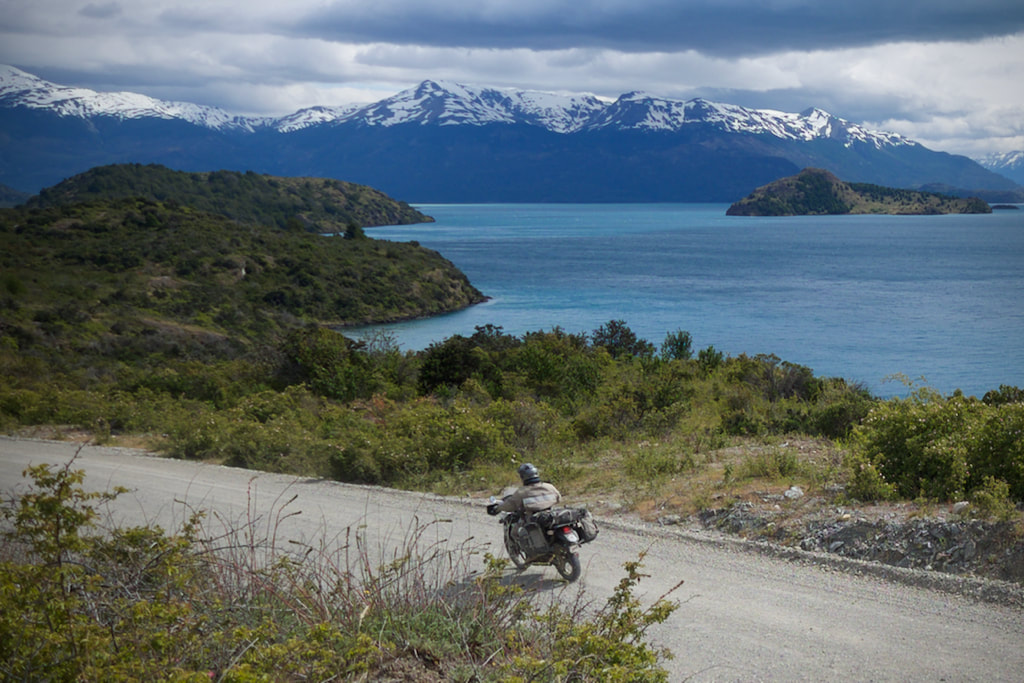
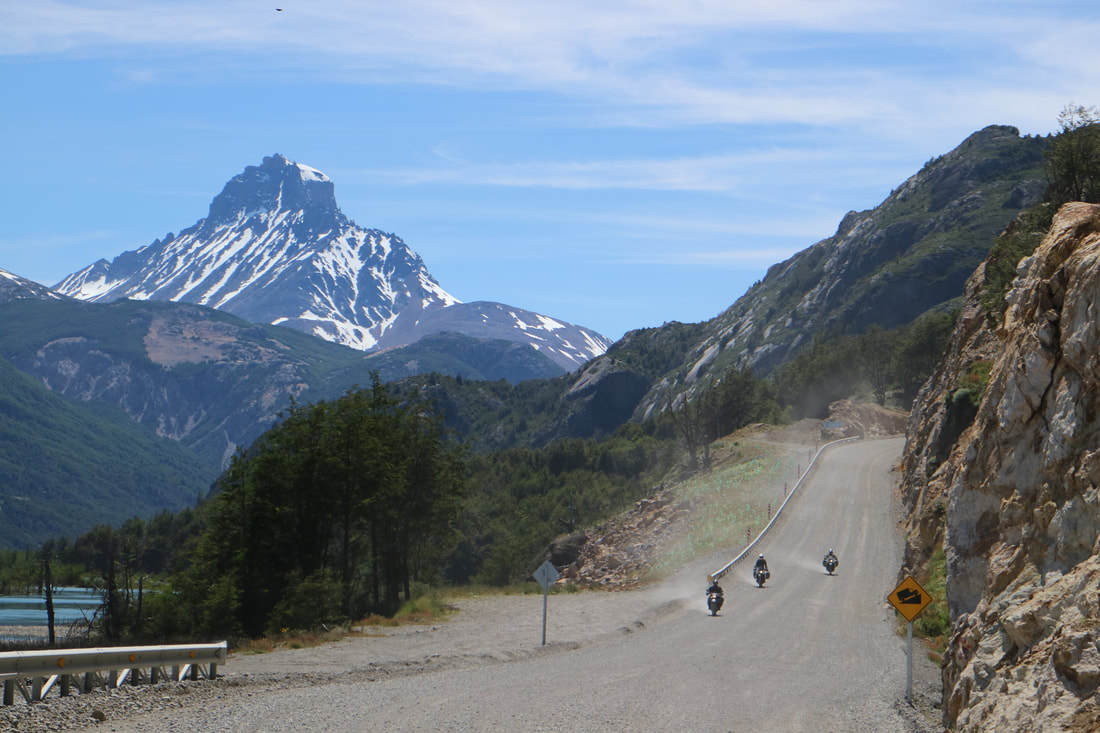
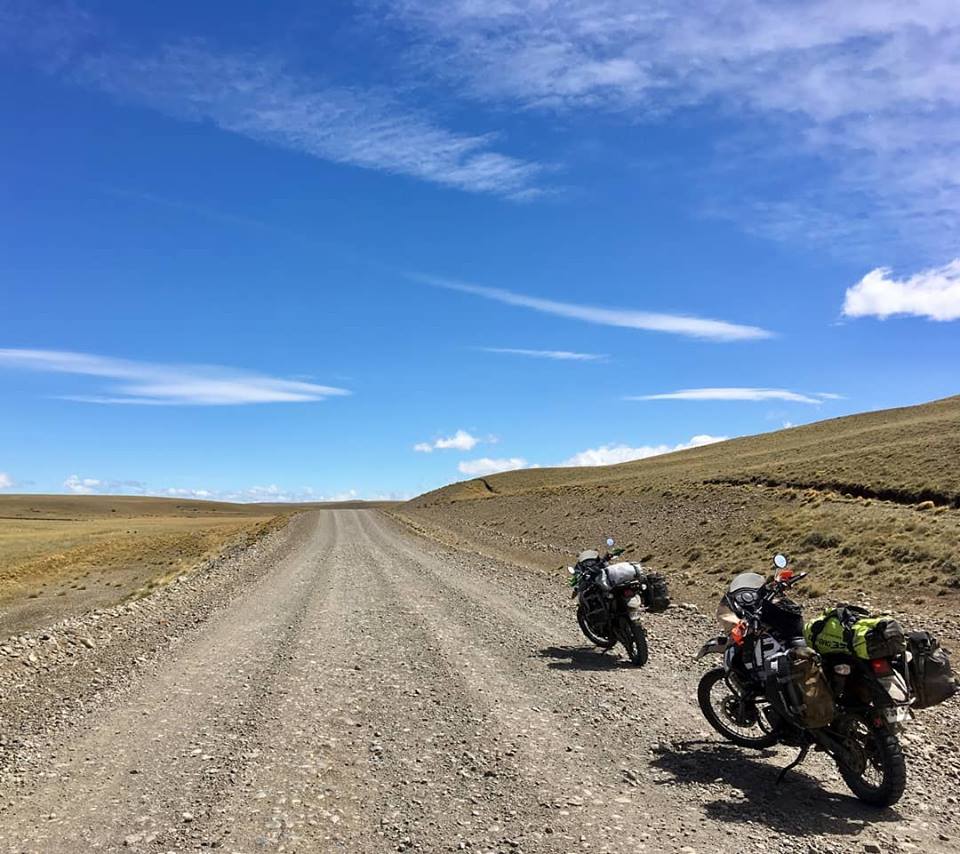
Another very important factor especially for Adventure Riders is the road conditions and the car and truck traffic. In the summer the roads can become very dusty. Often traffic on the road can be a hazard due to poor visibility, and distracted drivers stopping in odd locations along the roads to take photos and sight see. For these reasons’ riders must pay close attention to their surroundings and have an eye on the mirrors as well as what’s ahead.

THE MOST important rule when riding here during peak season is never, ever cut the left-hand curves. Always stay on your side of the road and do not cross the center. In the blind curves you will not have enough time or traction to make a last-minute correction. You must always respect the road and slow down to take those blind left curves. On the same note always look out for cars doing exactly this and cutting the left curves and crossing into your lane. This is the number one hazard on the narrow dirt roads of Patagonia. It’s a lesson you do not want to learn the hard way.

I hope this helps anyone wishing to fly and ride. Understand that peak months require greater planning than shoulder months. Over-all its still a very raw and remote part of the world so travel with respect and have fun! 
Picture

Weather in Patagonia

7/19/2019

 
I recently spoke to a moto traveler who was riding his moto from the USA down to Punta Arenas Chile. He had a question about riding south into Patagonia in September. He, as many do, asked the collective on Face Book, which always yields an array of answers ranging from a majority group answer leaning one way and then one or two lone wolves leaning another way. As human nature dictates, people tend to believe the answer that suits them best, even if it may not be the most sensible or correct answer. In this case the rider was asking if Patagonia was ride-able in September on a moto. Well the short answer is no, but let’s remember Patagonia is huge. It is not a hard NO for all of Patagonia.

First, let’s remember that South American seasons are opposite of North American. September in North America is early Fall and down here it’s very early Spring. What this means is you are still getting snow and cold in many areas of Patagonia. North of the Ice Fields is very different than south, and north is more than likely okay to ride, but checking the weather for the high passes is a must because it can and has snowed in the high passes of the Carretera Austral. In late winter and early spring, snow and motorcycles do not always go hand in hand. It will more than likely still be raining and cold.

The start of the riding season in my opinion is beginning of November. The weather is still cold, and I have seen snow on sections of Ruta 40 that time of year but it’s generally passable by moto. I have seen riders as far south as Ushuaia in November however September is very early to try and make it all the way south and not run into any snow or ice. The high passes can have snow and the weather would be unpredictable at best.

​My suggestion to this rider is to start his Patagonia ride in the north, around the Los Lagos Region of Chile and slowly ride south along the Carretera Austral. This will give him time to hit the southern pass into Argentina around November and eventually make it to Punta Arenas in late November. So, he gets September and October to explore the Los Lagos Region of Chile, which includes Chiloé Island, Futaleufú, Parque Pumalin to name a few. Then as the weather improves start making his way further south.  

One thing I suggest to adventure riders is to always give Patagonia its own time for exploration and try to plan accordingly for the seasons. If you leave in Winter in the North, chances are you will end in Winter in the South! Try to get your seasons to line up where you are chasing summer not winter. Patagonia is huge and has lots to see and do, requiring time to enjoy and experience. The more time the better. While I love the fighting spirit of many Adventure Riders, I have to say a little planning goes a long way. 
Picture

Packing Tips for Patagonia

7/15/2019

 
​I get asked a lot before our big tours what to bring. While most riders we serve here in Patagonia have many miles under their belt it’s a good question to ask to prepare for riding down here. In general Patagonia weather can change from ridge line to ridge line. I have had days where we ride all morning in the sun, cross into one valley where it's raining and cross back out into sun again.  

​Rain gear is always a hot topic. With the rain being isolated within certain areas it's hard to justify stopping to change into rain gear to then take it all off 30km down the road. I have to say GorTex riding gear is made for this type of climate, no need to stop and change. I personally ride in a KLIM BadLands jacket and pants. While it costs like a house, it works very well. I do not have to stop to change into rain gear, and it dries quickly once you are past the worst of it.

Boots are another big one, no one wants wet soggy feet. I’m on my second sole with my Sidi Adventure Boots. They are almost 10 years old and have served me well, but my next pair will be the Sidi Adventure Gortex. You may see a theme here, keeping dry is important. Using quality gear that breaths is also important because not all days are cold and rainy. We have many days of sun and warm weather.

Aside form the typical everyday off the bike street clothes I suggest not only your favorite pair of sunglasses but a back up pair! They get lost, left behind, and broken and not having a back up pair can be frustrating when all you want is to protect your eyes from the sun, rain and dust on the road with your visor up.

Many of our rides are one-way rides, which means you must carry things in a bag that can be strapped to the bike. It needs to be waterproof and flexible. Investing in a nice top loading dry bag for moto use is important. It serves many purposes and helps carry soft lighter loads when strapped to the rear rack or passenger seat area. I rarely use a top box, it's heavy, clunky and I have not found one yet that doesn’t rattle on a dirt road.

Another piece of gear we ride with here is a Garmin InReach. This is important and something I have talked about in past articles. Having a way to contact the outside world in case of an emergency is not only important but the responsible thing to do. Getting lost or hurt and not being able to tell rescue workers where you are leads to risky search parties out looking for you. One thing I see is folks strapping the InReach or SPOT to their bikes with nifty mounts. It looks real pro and cool, but the reality is if you’re alone and crash and you go one way and the bike goes another, suddenly that device is hard to get to. It could get broken, gone off a cliff, or you could be in a situation where you cannot get to it. My advice is to carry the InReach or SPOT on your person. This reduces the risk of not having access to it when you need it.

While this is by no means a fine detailed list, it is a few important things to consider for riding here in Patagonia or any part of the world where safety, comfort and durability are all key.   
Picture

The Big Bike Debate

7/7/2019

 
There is and has been a debate going on about how bigger bikes are not the best for long distance travel over rough terrain or remote areas. 1000cc and more 100hp and up bikes. I’m torn on the subject. I am a fan of motorcycles and in general find most dual sport and big adventure bikes fun. To me all of them serve a purpose. Obviously in certain parts of the world the simpler a bike is the less likely you are to have issues. I read many posts on social media of people complaining about electronics, how if they fail it can leave you stranded.
For me, it’s not so simple. For example, Fuel Injection, something many people thought was the devil when in was introduced. But we soon found out its, cleaner, more efficient and more reliable than a carburetor. It can also compensate for altitude much easier. No need to change jets or mess with mixture when riding the high Andean passes in the north of Chile.
The larger more expensive bikes out now have a lot of traction aids as well, electronic suspension and other electronics that cars have had for years, all to help the rider and in many cases the passenger have a safer and smoother ride. Here is where I personally start to draw the line. ABS sure, that’s fine with me it does help. On most bikes it can be turned off for those long off-pavement rides. Traction control, well yeah, it’s needed on a motorcycle that makes 150hp, who thinks they can reign in a 150hp, 500lbs bike? Electronic suspension, not so much in my opinion. I think that manual suspension is reliable and can be adjusted easily enough to not have to involve buttons or electronics. In the automotive world its something that has never been made ultra-reliable, so its hard to think on a moto it would be reliable with the type of exposure a bike gets in relation to a car. Save the cash and if you want better than stock suspension just up-grade to aftermarket, like Ohlins, TouraTech etc.  
Here in Patagonia there are times I have wished for a larger bike, for many reasons. But mid-sized dual sports and adventure bikes tick nearly every box for what is needed to ride in Patagonia reliably and comfortable.
The one place I see the bigger bikes shine is two up travel. Touring long distance on varied road surfaces two up is fun and I see more and more couples riding two up around the block and around the world. I absolutely think a GS1200, Super T or KTM 1290 SA are all viable option for two up Adventure Riding and I applaud those who are willing to travel two up long distances.
I think everyone should ride what makes them happy. Ride what fits the bill for you and where you want to ride and have fun. Keep a smile on your face and gas in the tank.
The road goes on forever and the party never ends amigos!         
Picture

The Chilean Side

6/24/2019

 
I have written about the divide of Patagonia between Chile and Argentina before.
On either side of the Andes Mountain Range lies a completely different Patagonia, similar cultural traditions but different landscapes. I was asked recently about the geographical north of Patagonia. It’s always in debate, as it seems to be inching further and further north due solely to the keen marketing tactics of businesses right on that northern edge. Moto Patagonia itself is on that edge. We named ourselves Moto Patagonia because Patagonia is where most of our riding is done. South of our home base is where we specialize in adventure motorcycle travel.

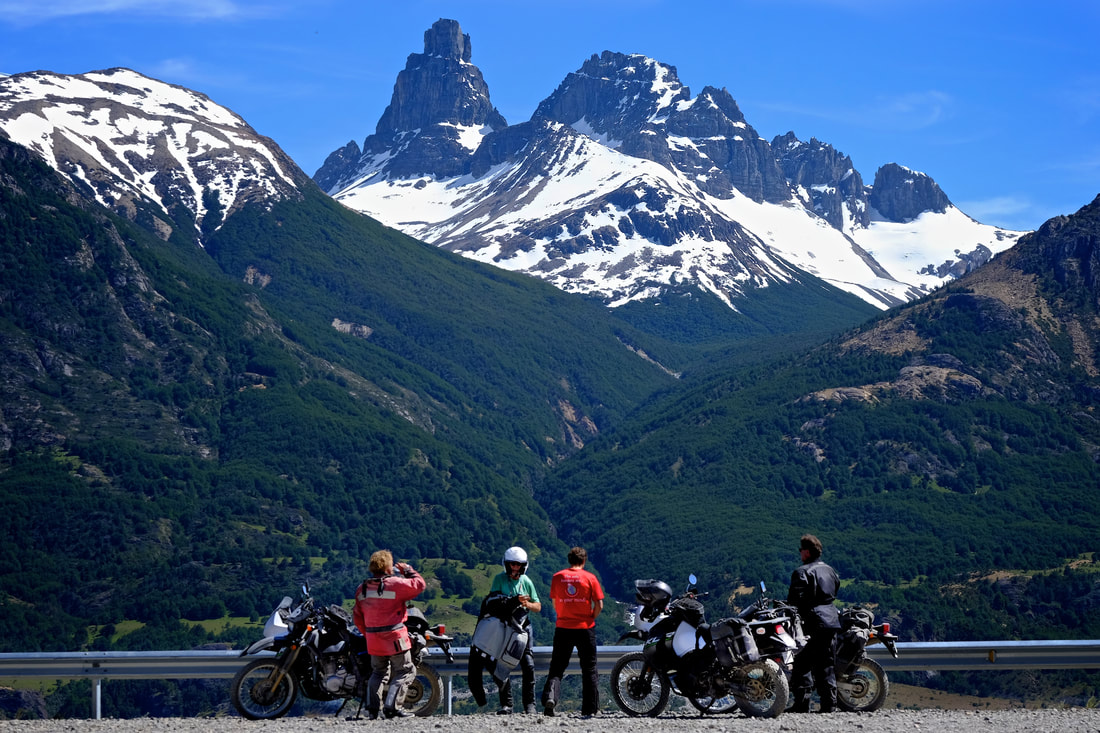
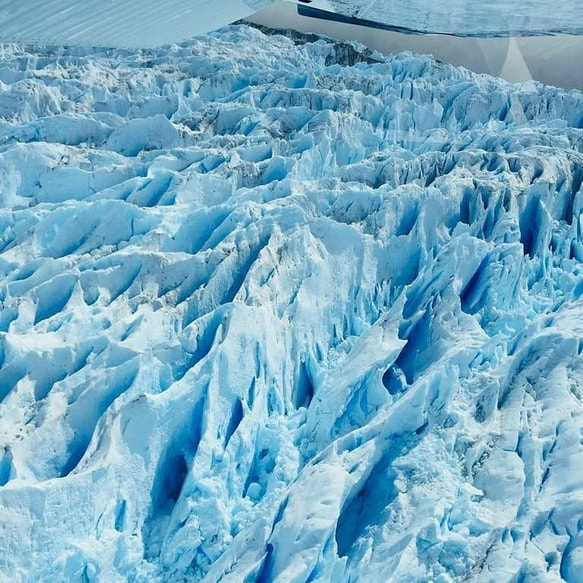
The Chile side of Patagonia is complex and unique because it is also divided from the north to the south, something many people may not know or understand without looking at a very big map or simply riding down here. The division is due to the Southern Patagonia Ice Field, the second largest Ice Field outside of the poles. It’s massive to say the least and it’s a huge roadblock to make it from northern Chilean Patagonia to southern Chilean Patagonia, requiring people to cross into Argentina to continue south. The Carretera Austral road is the only road in Chile linking everything together north of the Ice Field, it ends in Villa O’Higgins as discussed in a previous article. This northern section is very green, a temperate rain forest, huge trees, glaciers, rivers, waterfalls… Basically, is like Jurassic Park but instead of dinosaurs we get Puma, deer, tons of birds in the summer and lots of flora and fauna.

South of the Ice Field things change. You have Torres del Paine National Park near the town of Puerto Natales. This is one of the most beautiful National Parks in all South America in my opinion, certainly one of the most famous in Chile for tourism. It’s well run and well cared for. It is very similar in many ways to the land north of the Ice field; however, when you leave the park to the south things start to open up and you end up in a very high plains range land similar to what you would find in Argentina. It’s very windy and you lose the green lush trees and replace them with grass lands and wind! Eventually you end up on the shores of the Straights of Magellan and the other side is Tierra del Fuego, the largest Island in Chile however shared with Argentina. You see the Ice Field divides the Chilean side of Patagonia, making travel here even more exciting and logistically challenging due to the vast ferry system that is operated in Chile as well as the border crossing to continue south and the various routes to access everything. Chile is a land of extremes and to know that requires firsthand experience, riding here is a once in a life-time trip for many, but for others it calls them and becomes a second home or in my case a permanent home.  
Picture

Communication in Remote Areas

6/17/2019

 
​It’s always nice to get as far off grid as possible, the more remote the better. Here in Patagonia along many of the routes between towns there is no cell signal and you end up riding very alone. The question of communication becomes one of security. The reality is if you travel alone or in a group the responsible thing to do is always have some type of communication via a satellite communication device. Even if it’s just for the worst-case scenario.
Worst case you crash. You are either in a group or riding solo. In a group you end up with one person, and there will always be one, who can and will ride to the nearest town to get help. However, you are asking someone with a very high sense of urgency to ride alone in a remote area to get help, and they WILL take more risk with their speed and riding style to help you. This is a recipe for trouble. In my opinion it is not the best idea to separate the group and you never want to have someone ride off alone with that kind of responsibility and sense of urgency and again without any communication.  

​Another scenario is you’re alone. You crash and you need help. This really is the worst of the worst-case scenarios. The reality is comms are the only thing that can help you. With a device like a Garmin In-Reach or SPOT Tracker you can contact emergency services using the SOS bottom as well as loved ones in the event of a crash. This is priceless in a situation where you won’t be able to get yourself to the nearest town for medical care or help.
Riding remote off the beaten tracks is rewarding and here in Patagonia is no different. The rewards for adventure motorcycle riding in Patagonia far exceed the risk but having that one link to fall back on is never a bad idea.  
Picture

The Carretera Austral – An out and back ride worth the time.

5/30/2019

 
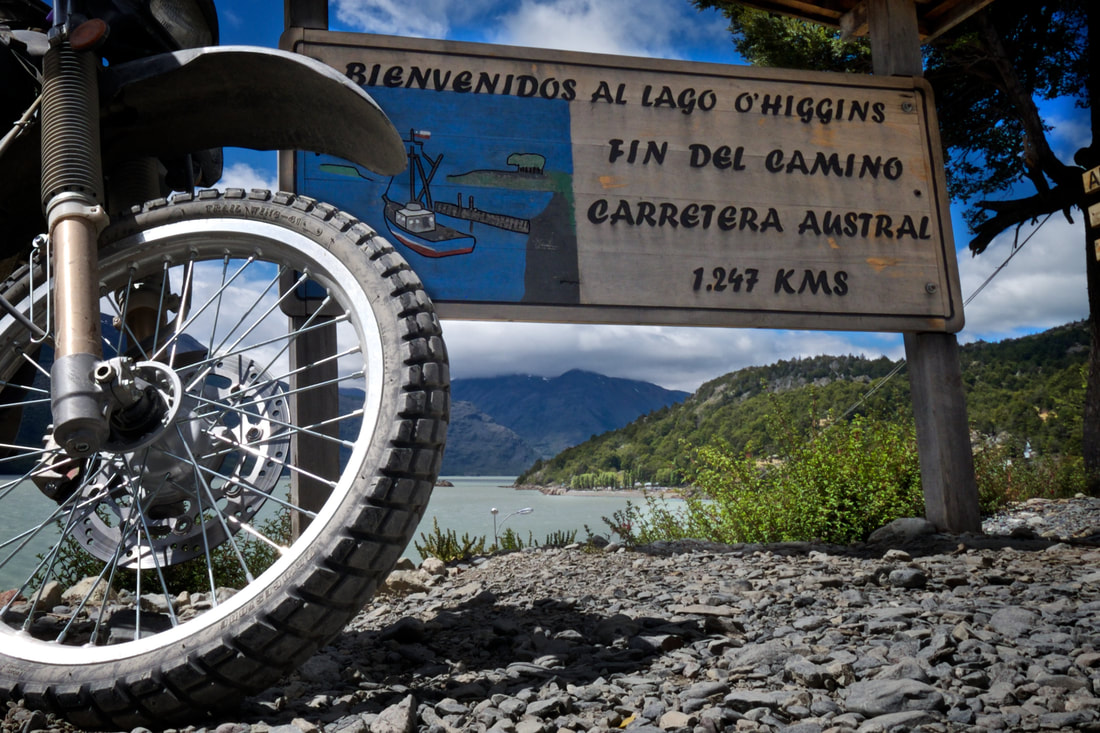
​The Carretera Austral or Chile Ruta 7 connects the small Chilean towns of Northern Patagonia. It is 1247km of pure, exciting and beautiful adventure riding. To experience the entire road is quite an accomplishment. In this post I’m going to explain why it is worth it to do the whole ride.

The Carretera Austral starts in Puerto Montt Chile and ends in Villa O’Higgins Chile where the road is blocked by a massive lake by the same name Lago O’Higgins and the even more massive Southern Patagonia Ice Fields. You must understand the work to keep this road open and viable is constant, every year crews are working to improve it, pave it and simply keep it open. It passes through some of the most remote and diverse areas in all of Chile.

There are of-course many passes to travel between Chile and Argentina from the Carretera Austral over to Argentina’s Ruta 40. So, for much of the Carretera Austral you can cross into Argentina to travel further south in Patagonia. However, in Villa O’Higgins there is not a viable pass open during the summer months. Therefore, the last 220km from Cochrane Chile to Villa O’Higgins must be ridden again. That last 220 km from Cochrane to O’Higgins is the most remote and in my opinion one of the most beautiful sections. However, it gets passed up by many riders and overland travelers simply because there is no outlet. Oh, and I forgot to mention there is a first come, first serve ferry in that section that only runs 3 times a day in Summer.
     The logistics start to pile up and create doubt for many travelers - Is it worth it?

Let’s discuss the pass that IS right outside of Villa O’Higgins and why it is not a viable option to cross into Argentina during summer. The pass named Paso Mayer is a legal and guarded international pass on both the Chilean and Argentine side. But between the two guard stations of Chile and Argentina there is no road that is passable during the summer because of the River Mayer, which you must ride through, and because of the snow melt the river becomes too deep and too strong to cross. The access road itself is a muddy mess and passable with a 4wd only in winter or the very few riders who are willing to risk it. In fact, the Chilean Carabineros (Police) will tell travelers once you stamp out of Chile and leave the border you are on your own and the Police cannot help you should you get stuck or have trouble. All of this requires riders to back track north on the same 220km and use the same ferry to get back to a pass that is open during the summer.

The Carretera Austral is a destination ride all its own. In fact, Moto Patagonia is likely the only motorcycle tour operator offering a tour of the entire route with off bike activities ranging from rafting the Futaleufú River to private airplane flights over the Southern Patagonia Ice fields. You don’t get access to these things skipping over sections. It’s why we offer a tour of the Carretera Austral all on its own, it’s worth it to spend a couple weeks and ride the whole thing, down and back. Stop at ALL the great locations and enjoy how much there is to do and see in this 1247kms worth of riding. If you have more time, use it on the Carretera Austral, if you are coming to Chile just for this route, you will not be disappointed!     
Picture

The Ushuaia Route

5/24/2019

 
One of the most common questions we get is how many days it will take to make it to Ushuaia. Since Moto Patagonia is based in Puerto Varas Chile, the best location to start a motorcycle ride to Ushuaia. We are one of the most obvious and best choices for those who want to ride ALL of Patagonia and make it to the end of the world.

While we do offer a 16-day Guided Tour to Ushuaia there are many riders who prefer to rent a motorcycle and ride. While both options are excellent the later takes a touch more planning especially during summer when the lodges and hostels are booked up. One big advantage to a tour with Moto Patagonia is we can take the guess work out of where to stay every night and we can help prioritize what to see. However, the advantage with a motorcycle rental is you get to ride on your own schedule and see what you want when you want. Many people like to camp and there are tons of options to camp along the ride south as well.
The route itself is dynamic and you have many options on how to make your way south. I of course have my favorite route. In general, I like the more remote routes and I adapt that style to Moto Patagonia. This gives our tours a much more unique feel when ride throughout Patagonia.

For a rental I really do think that 16 days is still the magic number to ride from the North of Patagonia all the way to Ushuaia. This gives you the best number of riding days and rest days in key locations that can be used to explore the area off the motorcycle. It’s important to take time to rest in order to enjoy the area and not race through it. This also gives you the chance to end the ride in Puerto Natales, the jumping off point for Torres del Paine National Park. One of the most famous National Parks in all South America.

If you are a strong rider that can handle dirt and gravel road surfaces, I suggest riding the Carretera Austral south until Paso Roballos near Cochrane Chile then crossing into Argentina and heading south with stops in El Chaltén and El Calafate on the way to Ushuaia. This route gives you some of the most adventurous and remote riding with the most dirt roads possible.

If you are less confident on gravel surfaces, then I’d suggest Ruta 40 on the Argentine side as its nearly all paved. You can make a run through a short section of the Carretera Austral via the pass near Futaleufé and then back to Argentina near Coyhaique Chile. This gives you minimal gravel riding while still passing through very beautiful and fun riding.

Patagonia is huge and the riding opportunities are vast. Whether you rent or ride with us on a tour one things is certain, it is the ride of a lifetime. Vast, remote and challenging riding.    
Picture

Choosing a Moto Tour Company

5/18/2019

 
The motorcycle tour industry has a lot of offerings. I have been thinking about that a lot lately regarding our own marketing and how Moto Patagonia can stand out in the crowd. I have read a few trip itineraries of other companies; some are quite good while others are not that impressive. I see vastly different routes and prices. So, let’s talk about what things you should look for in a tour company. The basic things to be mindful about are; trip duration, where the company is based in the world in relation to the trip they are offering, group size and price.

​How many actual riding days are included in the tour? I read an itinerary recently and it stated 14 days, so I decided to read the day by day details. The company was including the rider arrival day as part of the tour. When in fact there was no riding to be done that day. The reality is the trip is only 13 days. In my opinion that is misleading. At Moto Patagonia, our trips are based on days we will be traveling, arrival days are filled with paperwork, route reviews and motorcycle packing. I don’t count a prep day as a riding day.

Where is the company based in the world? Let’s use us, Moto Patagonia as the example here. We live and work in southern Chile full time, year-round. We pre run all our routes, and we have strong local knowledge and good community contacts. We specialize in Patagonia. These things matter. When you choose a company, my suggestion is stick to those specializing in the area you want to ride. Like most things, specializing in something is where you can gain quality AND value. Look for companies that know how the system works for that part of the world.  

How many riders does the company allow on its remote adventure rides?  At Moto Patagonia we limit trips to 5 clients max with me guiding for a total of 6 riders. My reasoning for this is based on my experience with the United States Forest Service as a Wildland Fire Fighter where I was designated a Type 1 Firefighter/IC5. That is a leader who can work with small groups not to exceed 7 firefighters and seven is not an arbitrary number. In that type of high stress environment, you cannot effectively lead more than a group of 5 to 7. From a guide’s point of view a multi-day, multi-country adventure motorcycle tour is not much different in terms of stress than a wildfire. The guide must have all the answers and must solve all the problems and create positive vibes. It’s a lot of responsibility and the reality is, it’s harder to do the more personalities you add. Smaller groups add value and can create high quality tours. The guide has more time to be an effective leader with a smaller group. Whether that is listening to feedback on the fly or handling a high stress situation like a sick rider or a mid-ride route change due to a road closure.

Finally, price is the big one. Price shopping is something we all do to get the best value and quality for what we want. However, in the case of a multi-day, multi-country motorcycle tour price is not always the best indicator of quality or value. One company may have a lower price but that doesn’t necessarily represent good value. At the same time another company may have a very high price, but that may not represent high quality. If you combine my other points of how many actual riding day’s the tour is, where the company is located in regards to the tour they are offering, as well as group size you can make an intelligent choice and likely end up with a very high quality tour for an excellent value.
 
I hope this helps anyone looking for a motorcycle tour. These are just a few conclusions I have reached after operating Moto Patagonia full time for nearly 4 years. Travel Far and ride safe!
Picture

The Mother's Day Post

5/12/2019

 
​Like many riders, I would not be here in Chile running a motorcycle tour and rental company without the support of my Mom. She certainly planted the travel seed in me. Although my motorcycle antics sometimes worry her, she knows that experience out in the world is important. Mother’s Day got me thinking about Women Adventure Riders, how that small segment is growing fast. We have received many women riders, some with their partners and others who have traveled to Patagonia to ride alone.
I can’t say I’m an expert on women’s travel as I’m a dude and its silly for me to presume things, but I do have some info for women riders who may want to travel here alone or on one of our tours.
The safety factor is a top priority for solo or group travel. Patagonia is well known to be very safe and friendly. It’s a different way of life down here and one of the best places for solo travel. People are always amazed by the number of women traveling alone by Moto or Bicycle in Patagonia.
Amenities, this is one that gets overlooked sometimes. We do get many couples who ride together and while many guys may be cool with sleeping under a tarp on the ground like Austin Vince, their partners may be less than excited for that style of travel. For our tours we choose the most authentic and clean lodges and hotels we can in the areas we travel. Why is that? Because my wife Paula is the one in charge of the logistics and she finds places that area awesome. She is adventurous but at the same time she doesn’t want to sleep in a crummy place.
Prepare for a sweeping statement here. I see more guys than gals getting caught up about the motorcycle and less about the trip. Here in Patagonia off bike activities and experiences are a-plenty. Getting off the bike and going to see all the awesome places is important and easy to do here.
We here at Moto Patagonia support Women Adventure Riders and are happy to receive couples or solo women riders. Supporting all riders to get out and explore is our goal and we are happy to help!    
Picture
<<Previous
Forward>>

    Author

    Daniel Palazzolo, Co-Founder and Lead Guide at Moto Patagonia.
    Long time rider, first time writer.

    Archives

    September 2025
    April 2025
    July 2024
    April 2024
    August 2023
    May 2023
    February 2023
    September 2022
    July 2022
    March 2022
    September 2021
    August 2021
    July 2021
    May 2021
    March 2021
    January 2021
    November 2020
    October 2020
    August 2020
    April 2020
    January 2020
    December 2019
    November 2019
    October 2019
    September 2019
    August 2019
    July 2019
    June 2019
    May 2019
    April 2019

    Categories

    All

    RSS Feed


Moto Patagonia was created to share this incredible part of the world.
Here are several ways to follow our adventures.

Picture
Picture
Picture
Picture

Hours
9 am - 6 pm
Monday to Sunday
 Phone & WhatsApp
ENG: +56 9 4267 2861

 Puerto Varas - Chile
Email 
​[email protected]
  • HOME
  • MOTORCYCLE TOURS
  • MOTORCYCLE RENTALS
  • TOUR DATES
  • ABOUT
  • CONTACT
  • FAQ
  • PATAGONIA LIFE